Choosing Between Silver and Gold Claddagh Rings
Understanding Your Options for a Claddagh Ring
When you start looking for a Claddagh ring, one of the first decisions you face is the metal. The traditional design features a heart held by two hands, topped with a crown, but the material it is made from can change both the look and the cost. Silver and gold are the two most common choices, and each has its own strengths. This article compares them so you can decide which suits your budget and your preferences.
The metal you choose affects more than just the price. It influences the ring's durability, its weight, how it feels on your finger, and how it will age over time. Understanding these differences helps you make a choice that fits your lifestyle and your spending plan. While the initial cost is a factor, the long-term value and care requirements also matter.
Silver Claddagh Rings: A Classic and Accessible Option
Sterling silver is a popular metal for Claddagh rings because it offers a beautiful, bright white finish at a lower price point than gold. It is an alloy, meaning it is made of 92.5% pure silver mixed with other metals like copper to give it strength. Pure silver is too soft for jewelry that is worn daily, so this mix is essential for durability.
Silver rings have a timeless appeal. Their cool, reflective surface complements many skin tones and pairs well with both casual and formal wear. For many people, a silver Claddagh ring is their first piece of meaningful jewelry because it is affordable enough to buy as a gift or a personal treat. The lower cost also means you can consider a more intricate design or a ring with a larger heart without stretching your budget.
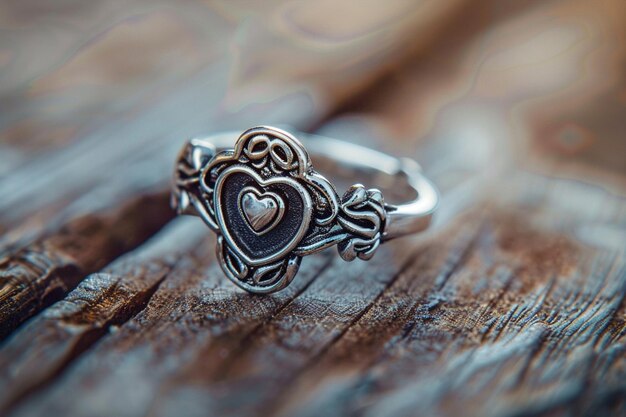
However, silver does require some care. It tarnishes over time when exposed to air and chemicals, developing a dark patina. This is not damage; it is a natural process that can be reversed with a polishing cloth. Some people actually like the soft, aged look that tarnished silver develops. But if you prefer a bright, shiny finish, you will need to clean the ring regularly. Silver is also softer than gold alloys, so it can scratch more easily. For someone who works with their hands or wears the ring every day, this might be a consideration.
Gold Claddagh Rings: Warmth, Tradition, and Durability
Gold Claddagh rings offer a warm, rich color that has been associated with love and commitment for centuries. Gold is available in several purities, commonly 10K, 14K, and 18K. The karat number tells you how much pure gold is in the alloy. Higher karat gold has a deeper yellow color but is softer. Lower karat gold contains more alloy metals, making it harder and more scratch-resistant, though its color is slightly paler.
For a ring that will be worn daily, 14K gold is a very popular choice. It balances a beautiful gold color with good durability. 10K gold is even harder and more affordable, but it has a lighter yellow hue. 18K gold has a richer color and a higher gold content, but it is more expensive and can be scratched or bent more easily. The choice between these depends on your budget and how much you value the metal's purity versus its strength.
Gold does not tarnish like silver, so it stays bright with minimal care. This can be a real advantage for someone who wants a low-maintenance ring. The higher upfront cost of gold, especially for 14K and 18K, is offset by its long-lasting appearance. Many people consider gold the traditional choice for a Claddagh ring that is meant to be an heirloom piece. The weight of a gold ring also feels more substantial on the finger, which some wearers prefer.
Comparing Costs and Long-Term Value
When you look at Claddagh ring prices, the metal is the biggest factor. Silver rings are generally the most affordable option, making them a great entry point. Gold rings cost more because gold itself is a more expensive raw material. Within gold, the price rises with the karat. A 10K gold ring costs less than a 14K ring, and 18K costs the most.
It is worth thinking about value beyond the purchase price. Silver can be polished and kept beautiful for many years, and if you ever decide to sell or trade it, the scrap value is lower than gold. Gold holds its value better over time, and high-karat gold has a higher scrap value. But for most buyers, the decision is about what they can comfortably spend now and how much they care about the metal's properties.
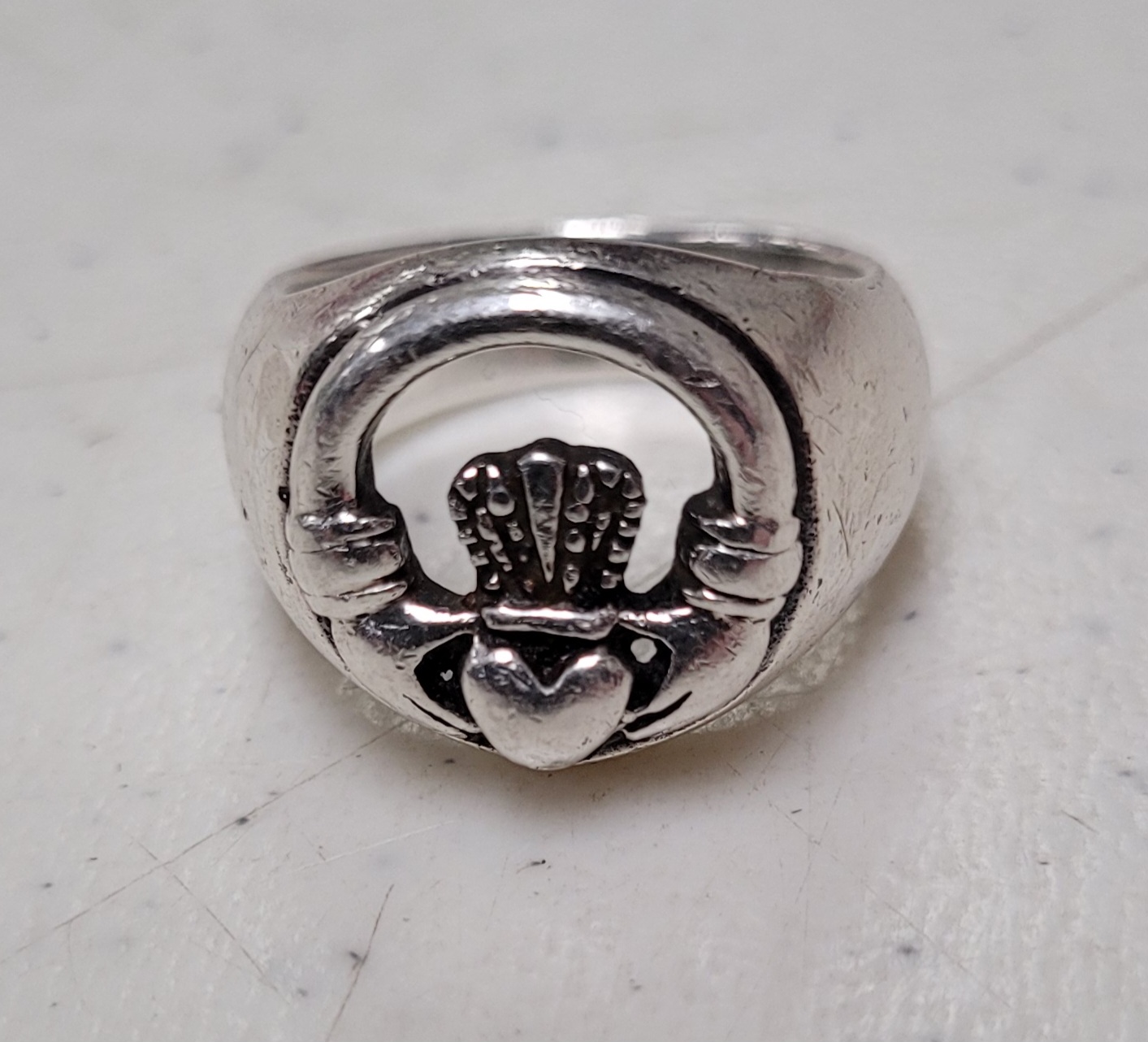
Another factor is the ring's weight. A thicker, heavier band costs more in any metal because it uses more material. Some silver rings are made with a substantial weight to feel more solid, while some gold rings are made with a lighter construction to keep the price lower. When comparing options, look at the total weight of the ring, not just the metal type.
Platinum and Other Alternatives
Platinum is another metal used for Claddagh rings, though it is less common. It is a dense, white metal that does not tarnish and is very durable. Platinum rings are heavier than gold and have a distinct, understated shine. They are also more expensive than gold. For someone with a higher budget who wants a white metal that will not need replating or polishing, platinum is a good choice. But for most buyers, silver or gold offers a better balance of beauty and cost.
Which Metal Suits Your Budget?
If your budget is tight or you want to spend less, a sterling silver Claddagh ring is a wonderful choice. It gives you the full beauty of the design without a high price tag. You can find silver rings with detailed craftsmanship that look just as lovely as gold ones. The only trade-off is that you will need to polish it occasionally to keep it bright.
If you can afford a bit more and want a ring that requires less upkeep and holds its value, then 14K gold is a solid middle ground. It is durable, beautiful, and traditional. For a special gift or a ring you plan to wear every day for decades, gold is often worth the extra cost. If your budget is very flexible and you want the highest gold content, 18K gold offers a rich color but requires more care to avoid scratches.
Ultimately, the best metal is the one that fits your budget and makes you happy when you wear it. There is no right or wrong answer. Many people start with a silver Claddagh ring and later add a gold one as a gift or upgrade. Others choose gold from the start because they love its warmth and permanence. The most important thing is to choose a ring that speaks to you and that you will enjoy wearing.

When you shop, pay attention to the metal purity stamped inside the band. Sterling silver is marked ".925" or "925". Gold is marked with its karat, like "10K", "14K", or "18K". These hallmarks tell you exactly what you are buying. Understanding these marks helps you compare Claddagh ring prices fairly across different sellers.
Whether you choose silver or gold, a Claddagh ring is a meaningful piece of jewelry that carries a rich history. Its symbols of love, friendship, and loyalty are the same no matter what metal it is made from. So choose the metal that fits your budget and your style, and wear it with pride.
Ends · CELTICKEEPSAKES